Mailheight

Introduction
You wake up, run your morning blacklist check, and see a clean slate. No blacklists. You breathe a sigh of relief. But your emails are still landing in spam. What gives?
As the original LinkedIn post by Nithyanandan Ramakrishna explains, "A blacklist is a snapshot. Reputation is a track record. And mailbox providers don't forget."
This is a critical distinction that many email senders miss. Clearing a blacklist is not the same as repairing your sender reputation. In fact, the blacklist was just a symptom. The real problem lies in your sending history.
Blacklists vs. Reputation: What's the Difference?
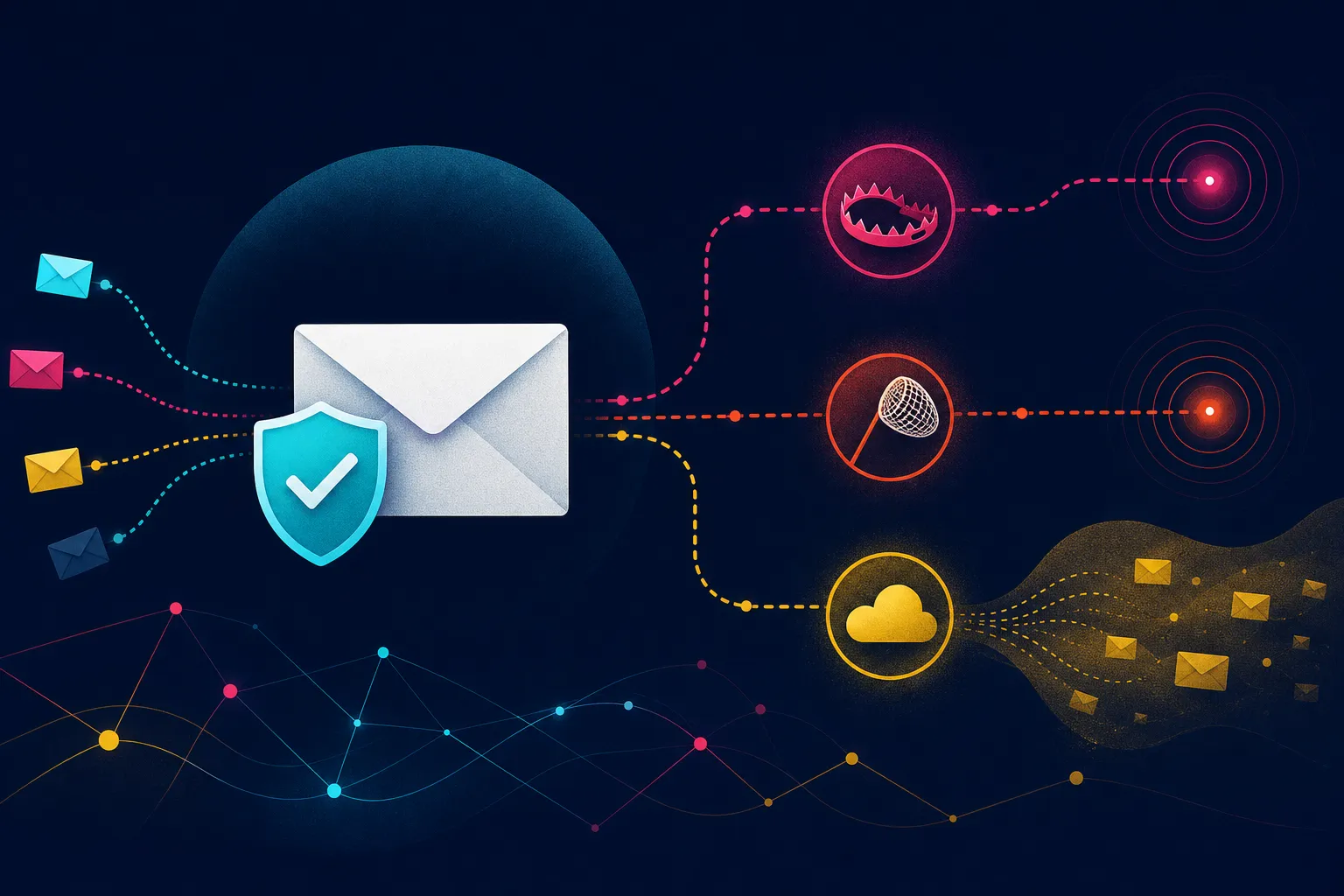
A blacklist is a binary flag. You are either on it or you are not. It's a snapshot of a moment in time, often triggered by a specific event like a spam trap hit or a sudden spike in complaints. Once you resolve the issue and get delisted, the blacklist check passes.
Reputation, on the other hand, is a continuous score based on your behavior over time. Mailbox providers like Gmail, Outlook, and Yahoo track your sending patterns across multiple windows: recent activity, the last 7 days, 30 days, and 90 days. They look at engagement rates, complaint rates, bounce rates, and list hygiene. A single clean scan does not erase months of poor practices.
Why a Clean Blacklist Doesn't Fix Inbox Placement
If you've been blacklisted, you likely had a reputation problem before the listing occurred. The blacklist was just the visible consequence. Once you are removed, your reputation history remains. Mailbox providers don't reset your score just because a blacklist entry is gone.
Consider this scenario: You had a high complaint rate for two months, got blacklisted, cleaned your list, and got delisted. Your complaint rate for the last 30 days might now be low, but your 90-day window still shows the spike. That history influences inbox placement decisions. As the post states, "Reputation doesn't repair on your timeline. It takes as long to rebuild as it took to damage."
What Mailbox Providers Actually Look At
Mailbox providers evaluate your sending reputation using several key metrics:
- Complaint rate: The percentage of recipients who mark your email as spam. Industry best practice is to keep this below 0.1%.
- Bounce rate: Hard bounces (invalid addresses) and soft bounces (temporary issues) signal poor list hygiene.
- Engagement: Opens, clicks, replies, and forwards indicate that recipients want your email. Low engagement hurts reputation.
- Spam trap hits: Hitting a spam trap is a strong negative signal that can lead to blacklisting.
- Sending volume and consistency: Sudden spikes or drops in volume can trigger scrutiny.
These metrics are tracked over rolling windows. A single bad week can affect your reputation for months.
How to Audit Your Last 90 Days
If you're still landing in spam after a clean blacklist check, stop checking blacklists and start auditing your sending history. Here's what to review:
- Engagement data: Look at open and click rates for the last 90 days. Are they trending down? Are there segments with very low engagement?
- Complaint data: Check your complaint rate per domain. If it's above 0.1%, you need to improve list hygiene.
- Bounce data: Identify sources of hard bounces. Are you buying lists or scraping emails? Stop immediately.
- IP history: If you're using a shared IP, check the reputation of other senders on that IP. Consider a dedicated IP for better control.
- Authentication setup: Ensure SPF, DKIM, and DMARC are properly configured. Poor authentication can hurt reputation.
Steps to Rebuild Your Reputation
Rebuilding reputation takes time and consistent good behavior. Here are practical steps:
- Warm up gradually: If you've been inactive or had a poor reputation, start with a small volume and increase slowly.
- Segment your list: Remove inactive subscribers. Send re-engagement campaigns before purging non-responders.
- Monitor feedback loops: Set up feedback loops with major providers to receive complaint data in real time.
- Reduce frequency: Sending too often can increase complaints. Find the right cadence for your audience.
- Use engagement-based sending: Only send to subscribers who have opened or clicked in the last 30-60 days.
Conclusion
A clean blacklist check is not a green light for business as usual. It's a reminder that reputation is built over time and cannot be fixed overnight. As the LinkedIn post emphasizes, "Your behavior over months matters more than a single clean scan."
Stop relying on blacklist checks as your deliverability barometer. Instead, audit your last 90 days of engagement, complaints, and bounces. Address the root causes, not the symptoms. Only then will your inbox placement improve.
Remember: reputation doesn't repair on your timeline. But with consistent effort, you can rebuild it.