 Mailheight
Turn your ICP into evidence-backed conversations.
Find the right prospects, research them, write outreach grounded in real evidence, send it under control, see who's actually showing buying intent, and work the replies through to qualified conversations - one workflow, not six disconnected tools.
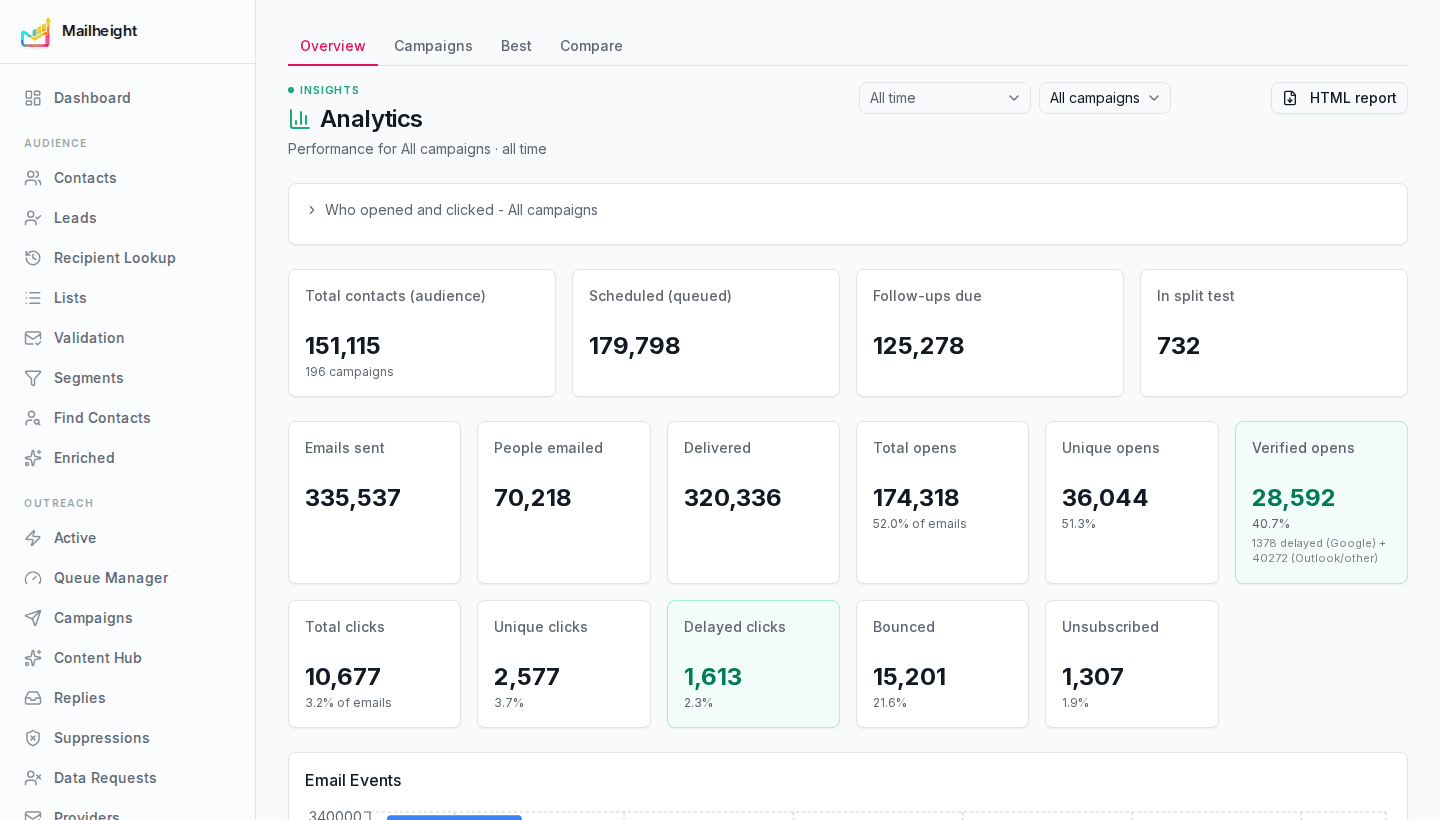
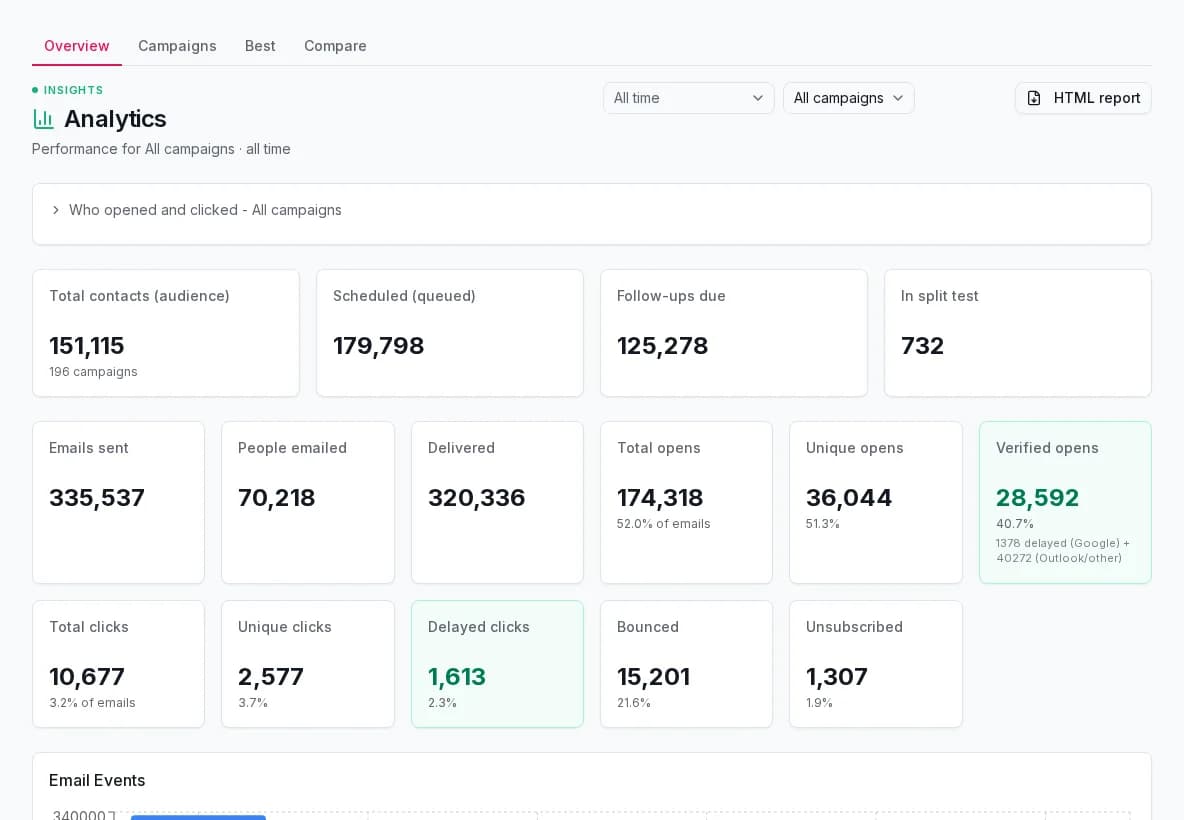
Real data from a live Mailheight workspace.
Why teams switch to Mailheight
Not another cold-email tool with a prettier dashboard.
0.0M+
Spam traps screened
Every list is checked against our internal spam-trap database before it ever reaches a send queue.
Dedicated
Sending infrastructure
Dedicated sending servers, not a shared IP pool where someone else's reputation becomes your problem.
Real-time
Deliverability monitoring
Sender health across Google Workspace, Microsoft 365, and every domain you send from, tracked continuously.
Every list
Validated before it sends
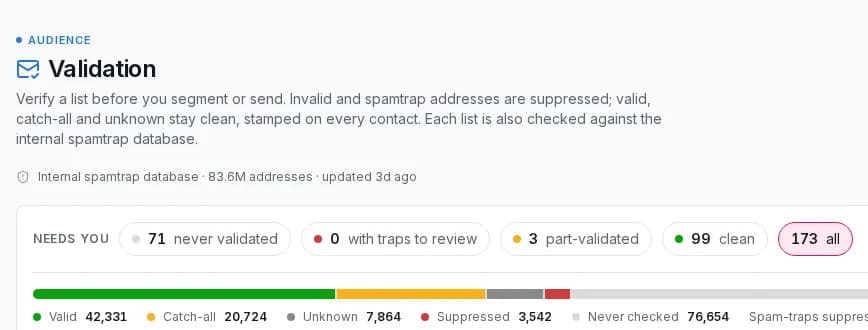
Deliverable, catch-all, unknown, and invalid addresses are sorted out before a send queue ever sees them.
Real research
Not just {{first_name}}
Personalization grounded in the company's actual website, news, and funding data, not a merge tag dropped into a template.
One workflow. Every stage of outbound.
Follow one prospect the whole way through.
Found, validated, researched, written to, protected, sent, scored for intent, and worked through to a qualified conversation. Same workspace, same record, no handoff to a second tool.
ICP audience fit
Scored before a single email is written.
RuleMissing data is treated as unknown - never counted against the list.
Illustrative - the live screen scores whether a list actually contains the people who could buy.
Which email earned the reply
Counted from emails actually delivered before the first reply.
Door-opener“Which channels actually drive sales?”
Illustrative - live figures come from the account's own delivery log, with pre-logging replies excluded and labeled.
Stage 1 - Find
Don't start with an email. Start with the right audience.
Prospect discovery by title, company and industry, scored for whether the list actually contains people who could buy. Missing data is treated as unknown, never counted against the list.
- ICP audience-fit scoring
- Prospect discovery
- Saved segments per client
Stage 2 - Validate
Every list, checked before it reaches a queue.
Deliverable, catch-all, unknown and invalid sorted out on import. Spam traps screened against an internal database, role inboxes and dead domains auto-suppressed.
- Bulk verification
- Spam-trap screening
- Auto-suppression on import
Stage 3 - Research
Research happens before a word is written.
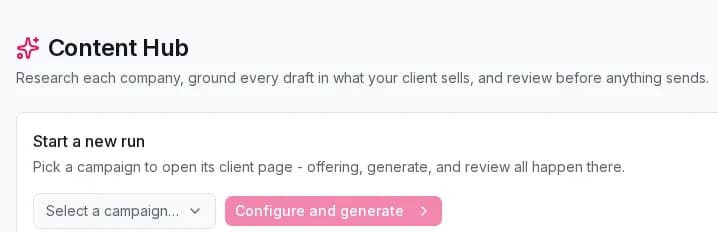
The company's own website, recent news, LinkedIn and funding data - pulled live, so the draft has something true to say rather than a merge tag to fill.
- Live web search
- Company website grounding
- No invented facts
Stage 4 - Write
One intro, up to seven follow-ups, each with its own job.
Not a repeated reminder in different words. Hook, messaging strategy, pain point and objection handling, with per-client brand guardrails that can block a draft outright.
- Multiple variants per contact
- Brand guardrails enforced
- Auto-stops on reply
Stage 5 - Protect
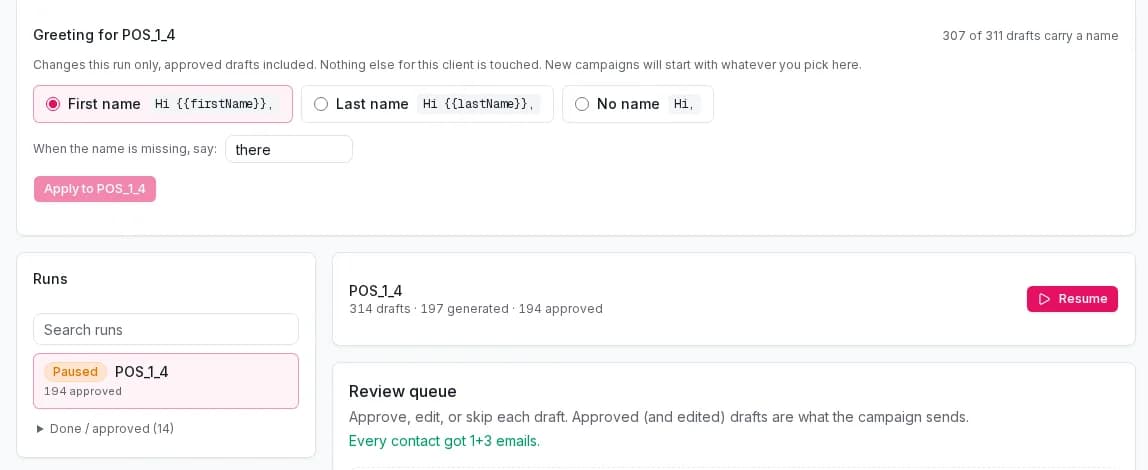
Nothing sends until a human approves it.
Ham, borderline or spam, with the reasons visible and fixes suggested. Placeholder, merge-tag and leaked-language checks run at generation, again at bulk approval, and once more in a daily audit of approved-but-unsent drafts.
- Spam scoring with reasons
- Draft quality checks
- Daily re-audit
Stage 6 - Send
Sent under control, not all at once.
Per-company pacing so nobody gets a burst, provider limits shared across every campaign on that identity, and optional local-hours delivery that knows about weekends and 100+ countries' holidays.
- Per-company pacing
- Provider rate limiting
- Recipient local hours
Stage 7 - Identify
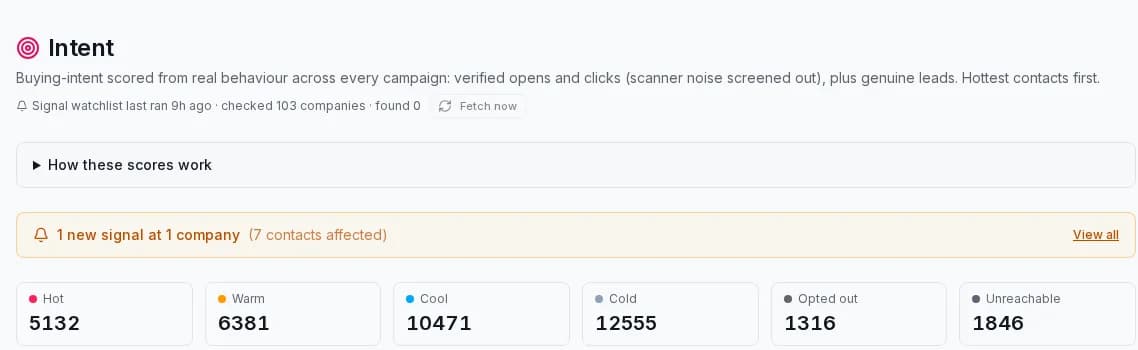
See who's actually showing intent.
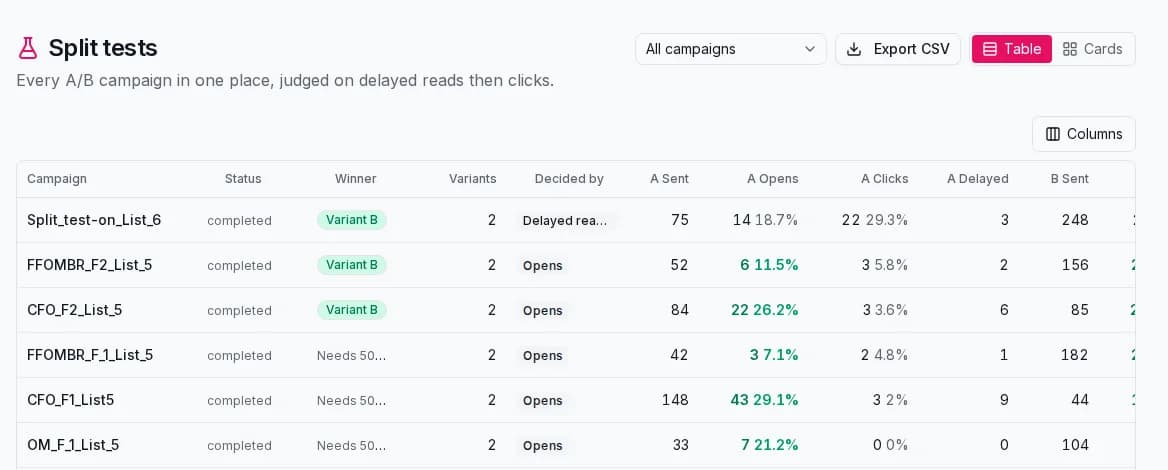
Hot, warm and cool scored from bot-filtered opens, verified clicks, genuine replies and recency decay. Heuristic and transparent, not a black box.
- Bot-filtered opens
- Verified clicks
- Signal watchlist alerts
Stage 8 - Qualify
The reply is where the work starts.
Which email earned it, what your seller learned from it, what happens next and when. Attribution by delivery timing, due diligence captured beside the prospect's actual words, and a completeness score that measures what was written down rather than guessing what they'll buy.
- Reply attribution
- Door-opener subject
- Next action and owner
- Scoped per client
Built for agencies.
Run outreach for many clients from one workspace, without their data mixing.
- Every list, sender, and report is organized per client
- Shareable, read-only client report links - no login required
- Sender health tracked per client, per inbox
- Workspace roles for teams managing multiple accounts
Compliance built in, not bolted on
Send with confidence.
Suppression lists
Global and per-client suppression enforced automatically on every send.
Data requests
Built-in handling for access and deletion requests.
Unsubscribe handling
One-click unsubscribe honored across every campaign.
GDPR-aware tracking
Tracking and consent handled with GDPR in mind.
Questions agencies actually ask
Short answers, no hedging. Longer ones on a demo.
Does Mailheight replace our CRM?+−
No. Mailheight owns the stretch a CRM doesn't: from the first send through validation, deliverability, intent and reply follow-up, up to the point a conversation becomes an opportunity. Hand off to your CRM there.
Where do the reply-attribution numbers come from?+−
From your own account's delivery log. Mailheight counts the emails actually delivered to a contact before their first recorded reply. Replies whose send history predates logging are excluded and labeled, never estimated.
Do you use industry benchmarks or invented conversion rates?+−
No. Every figure shown is computed from your account's own data. If the data cannot answer a question, the page says so instead of borrowing a benchmark.
Can one workspace run outreach for many clients?+−
Yes - Mailheight is built for agencies. Every list, sender, report and count is organized per client, team access is granted feature by feature, and scoping is enforced server-side at the API.
Your outbound system should do more than send email.
Build the right audience. Write outreach grounded in evidence. Send it under control. Find the conversations worth pursuing. Then actually pursue them.