Mailheight
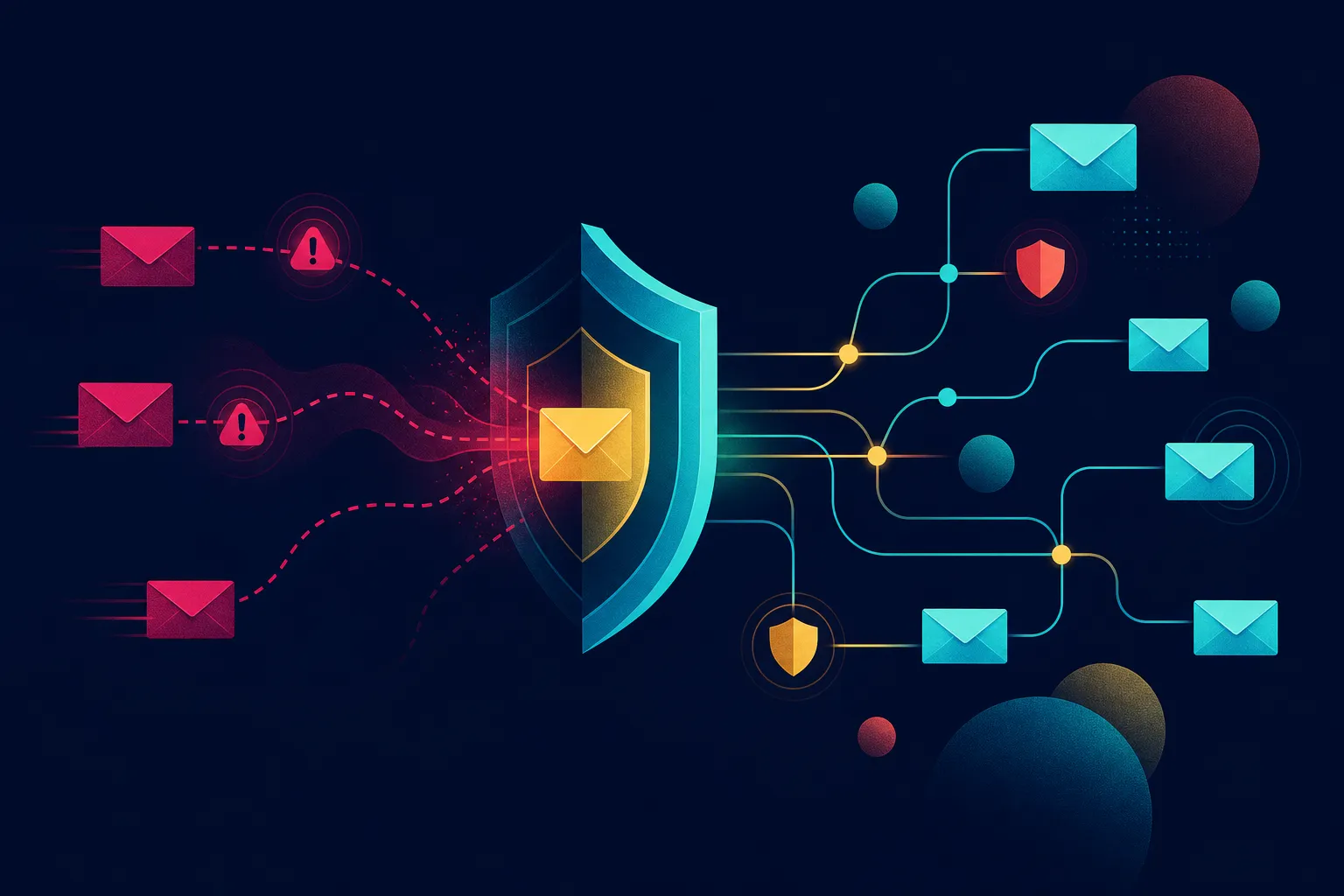
When a supplier gets compromised, the damage rarely stays contained to that vendor. Attackers often pivot, impersonating the vendor to go after everyone who trusts it. For agencies, this creates a specific and uncomfortable problem: you may need to protect accounts you do not own.
This article is based on insights from the original LinkedIn post by Nithyanandan Ramakrishna.
In the post, Nithyanandan Ramakrishna points out that a vendor breach does not end with the vendor. It ends with you. When a supplier is compromised, attackers do not stop there. They impersonate the vendor and target everyone who trusts it. The post cites examples: EmailTooltester saw fake Brevo login pages, and Trezor users received a bogus security alert. The pattern is consistent: compromise, impersonate, steal credentials.
For an agency, the downstream accounts at risk include your client's marketing platform login, your own email service provider credentials, admin accounts, API keys, and shared team logins. These are the accounts that often sit outside your direct infrastructure but are critical to your operations.
The Uncomfortable Truth: Your Security Boundary Extends Beyond Your Infrastructure
Most agencies think of their security boundary as their own servers, their own email accounts, their own devices. But as the post highlights, your security boundary is actually every account downstream from your vendors. If a vendor you rely on is breached, the attacker may use that trust to access your accounts or your clients' accounts.
The post uses an old story to illustrate this: a man searching for his lost key under a streetlamp. A crowd joins him. Someone asks where he lost it. "Inside the house," he says. "Then why are you searching out here?" "Because there's light here." That is how many breach responses work. We secure what we can see. We change passwords, check servers, review our infrastructure. But the real risk may be in the dark room we never check: the client's login, the shared credential, the API key, the account nobody remembered still had access.
Why Cold Outreach Agencies Are Prime Targets
If you run cold email campaigns for clients, you handle a lot of credentials. You likely have access to:
- Client email service provider (ESP) accounts
- Client CRM or marketing automation platforms
- Your own sending infrastructure and domains
- Shared team logins for various tools
- API keys that connect these systems
When a vendor in this chain is breached, attackers can use fake login pages or impersonation emails to harvest these credentials. Once they have them, they can send phishing emails from your domains, access client data, or disrupt campaigns. This not only harms your clients but also damages your sender reputation and deliverability.
A Practical Checklist for Vendor Breach Response
The post suggests asking yourself a series of questions. Here is how you can turn those into a practical checklist for your agency.
1. Who logs into that platform?
List every platform your agency uses that touches client data or sending. For each, identify who has access. This includes full-time staff, contractors, and even clients who may have shared their own logins with you.
2. Which clients have access?
If clients have direct access to a platform, they are also at risk. Make sure they are aware of phishing risks and know how to report suspicious emails. Consider providing them with guidance on recognizing fake login pages.
3. Are they warned about phishing?
Regular communication about phishing is essential. When a vendor breach occurs, send a notice to your team and clients. Explain what happened, what to look out for, and what actions to take. This is not about creating panic; it is about enabling vigilance.
4. Can those credentials be rotated or revoked?
For every account, ask: if this credential were compromised, how quickly could we rotate or revoke it? Do you have a process for changing passwords, revoking API keys, and removing access for former team members? If not, create one.
Steps to Take Immediately After a Vendor Breach
If you learn that a vendor you use has been breached, act quickly. Here is a sequence you can follow.
- Assess the impact. Determine which of your accounts or client accounts could be affected. Check if you use the compromised vendor and if any credentials might be exposed.
- Rotate credentials. Change passwords for any affected accounts. Revoke and regenerate API keys. If you use shared logins, change them and consider moving to individual accounts.
- Enable multi-factor authentication (MFA). If MFA is not already enabled on critical accounts, enable it now. This adds a layer of protection even if a password is stolen.
- Review access logs. Look for unusual login activity on your accounts. Many platforms provide logs of recent logins and devices. Check for unknown locations or devices.
- Notify clients. If client accounts may be affected, inform them promptly. Provide clear steps they can take, such as changing their passwords and reviewing their own account activity.
- Monitor for phishing. Attackers may follow up with phishing emails that impersonate the vendor or your agency. Warn your team and clients to be suspicious of unexpected emails asking for credentials or urgent action.
Building Long-Term Resilience
Beyond reacting to a specific breach, you can build processes that make your agency more resilient.
- Maintain an inventory of accounts and access. Know what platforms you use, who has access, and what permissions they have. Review this inventory regularly.
- Use a password manager. This helps ensure unique, strong passwords for every account and makes rotation easier.
- Implement least privilege. Give team members only the access they need to do their jobs. Avoid shared admin accounts.
- Train your team. Regular security awareness training can help your team recognize phishing attempts and respond appropriately.
- Include vendor breach scenarios in your incident response plan. Practice what you would do if a key vendor were compromised. This will make your response faster and more effective.
The Bottom Line
A vendor breach is not just the vendor's problem. It is yours, especially if you are an agency managing client accounts and sending infrastructure. By extending your security thinking to every account downstream from your vendors, you can protect your clients, your reputation, and your deliverability. Remember the key under the streetlamp: do not just secure what is easy to see. Check the dark rooms too.
For more details, you can read the original LinkedIn post by Nithyanandan Ramakrishna.