Mailheight
Inspired by a recent discussion on LinkedIn, this article explores a concept that many email marketers overlook: the quiet rejection. The original post by Nithyanandan Ramakrishna, available at the original LinkedIn post, highlights how unengaged recipients silently harm your deliverability. Let's break down what this means for your cold outreach campaigns.
The Two Rejections: Loud vs. Quiet
Email has two types of rejection. The loud one is obvious: a recipient marks your email as spam or it bounces. You see it in your dashboard, and you can react. The quiet one is more insidious: the recipient simply stops opening your emails. They don't complain, they don't bounce, they just ignore you. This quiet rejection does more damage because you never see it coming. Your open rate might stay healthy, but that's an illusion.
Why Open Rates Lie to You
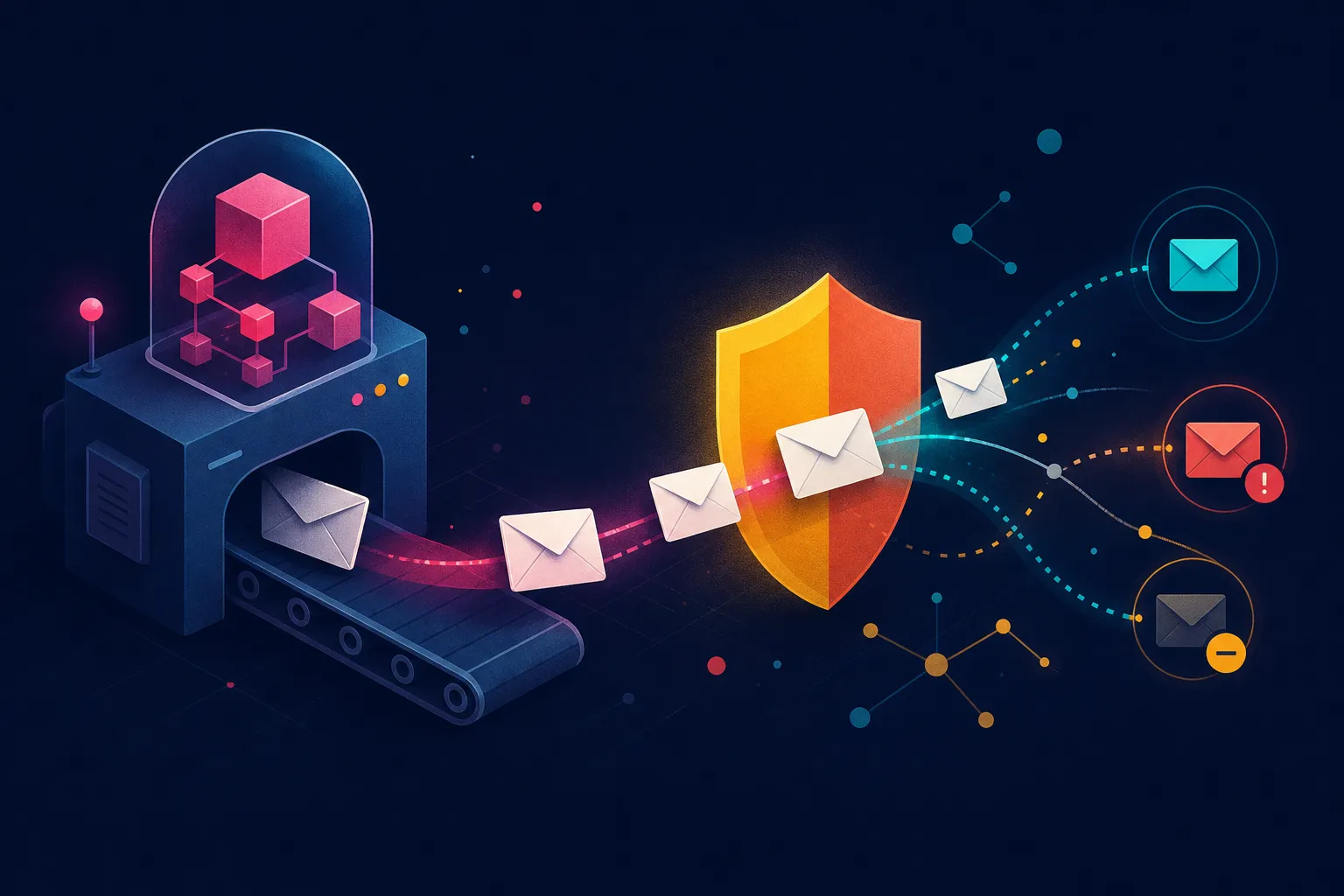
Mailbox providers have evolved. They now pre-load tracking pixels, meaning a large share of what you count as an "open" is actually a machine, not a person. Your dashboard shows a healthy number while the room empties. The mailbox provider doesn't care about your open rate anyway. It watches what the person does inside the mailbox: Did they open in the client? Reply? Archive? Delete unread? Ignore repeatedly? That record decides where your next send lands, and you never get a copy of it.
The Damage of Dead Names
Dead names are addresses that once engaged but now sit silent. They are not neutral. They are two live problems:
- They drag down your domain's reputation. A growing share of your volume signals nothing to mailbox providers. They see low engagement and start routing your emails to spam.
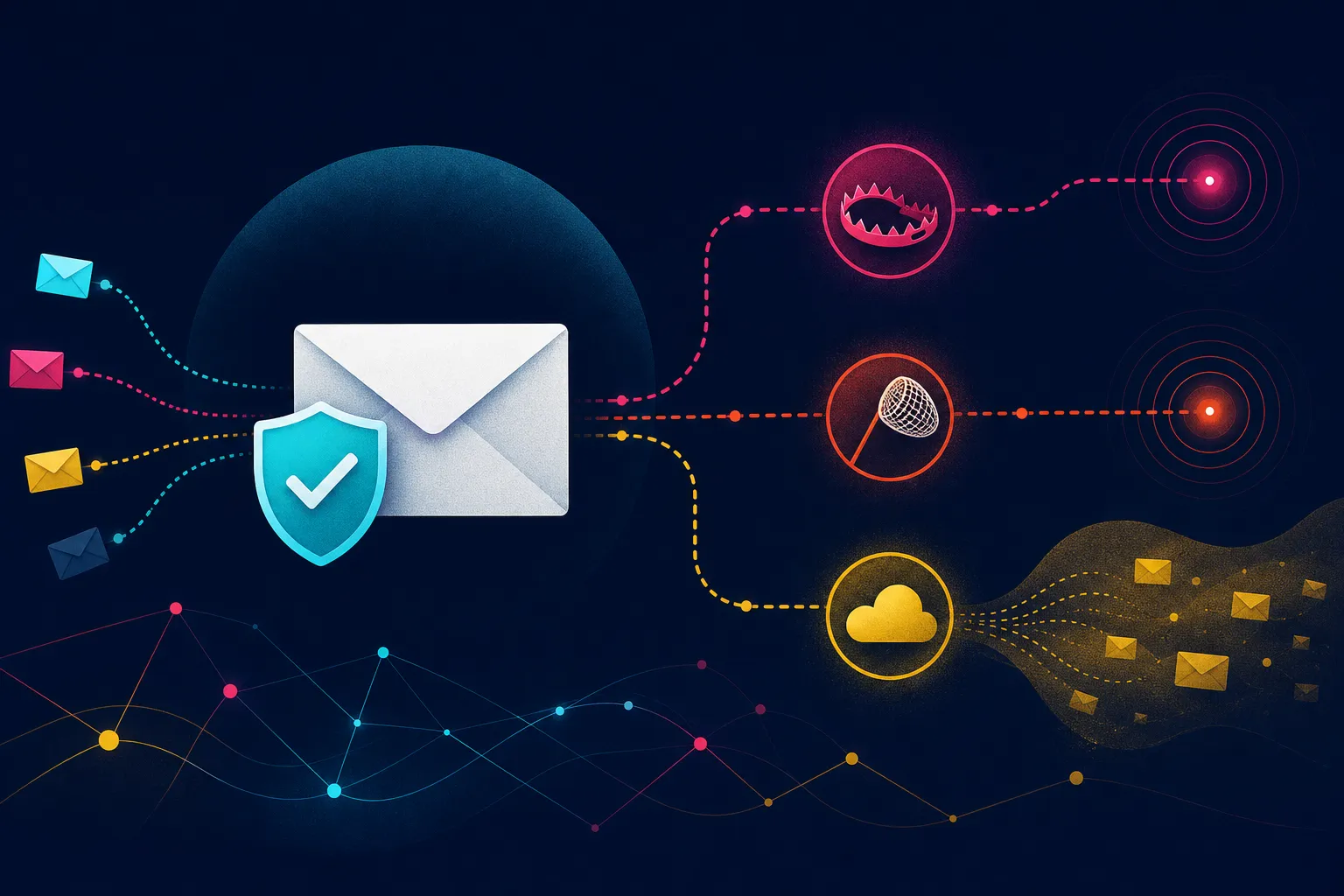
- The worst get recycled into spam traps. When an address is abandoned, it can be turned into a spam trap by mailbox providers or anti-spam organizations. Mailing a long-gone address stops being weak engagement and becomes a direct hit on your reputation.
The Fix: Subtraction
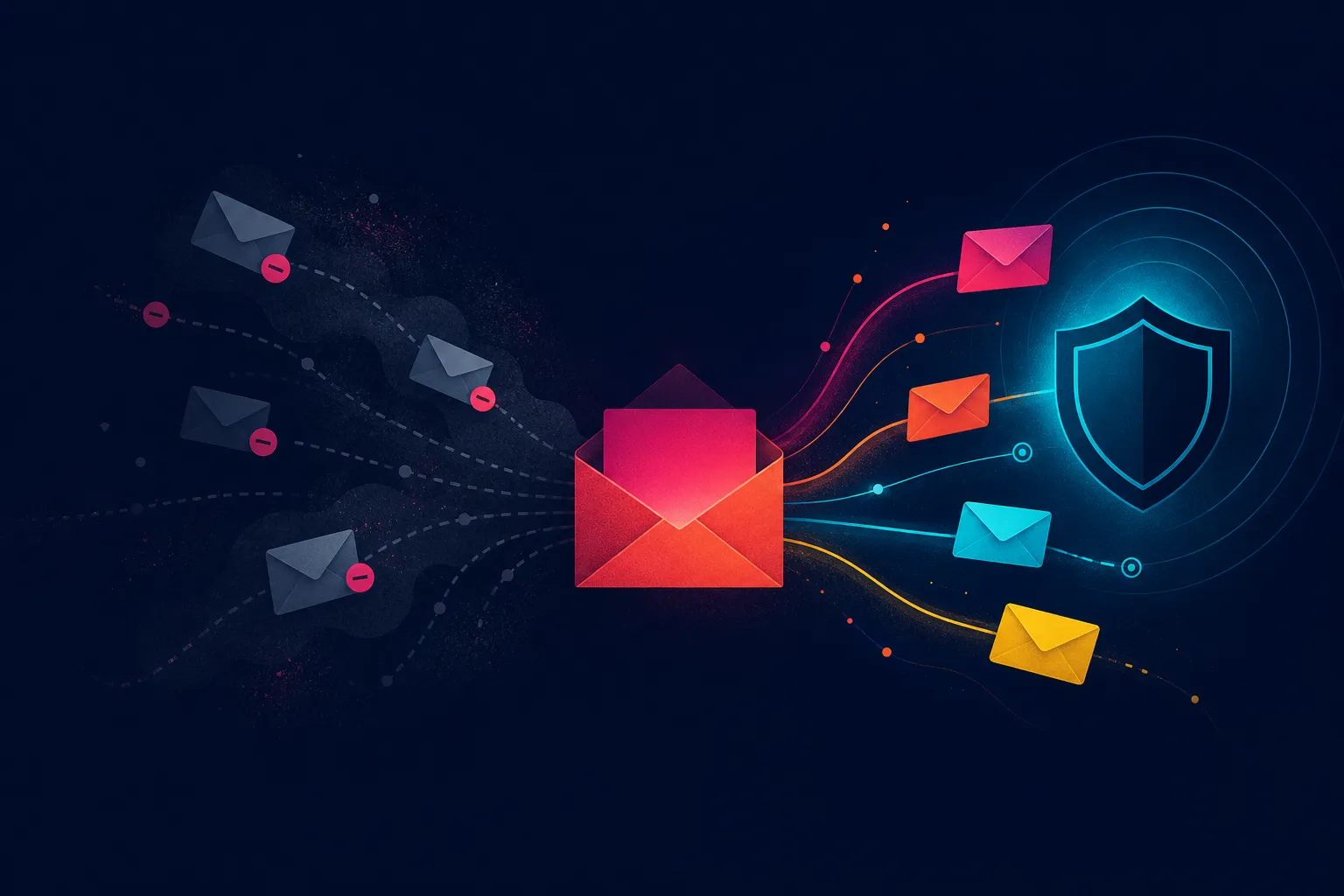
The solution is counterintuitive: you need to make your list smaller. Cutting unengaged subscribers improves deliverability because your volume concentrates on the people who actually want to hear from you. Engagement density rises because the denominator shrank, not because anyone suddenly cared more. As the LinkedIn post notes, "The list you are afraid to cut is the reason you are in spam."
Practical Steps for List Hygiene
List hygiene runs on two clocks:
- Continuous removal: Hard bounces and spam complaints should be removed automatically and immediately. These are the loud rejections that require instant action.
- Quarterly sweeps: For chronically unengaged subscribers, set a schedule. Send a re-engagement campaign, and if they still don't respond, cut them. A quarterly sweep keeps your list healthy without overreacting to temporary inactivity.
The Bottom Line
A name that stopped opening already left. You are just still paying postage on the empty seat. Removing those dead names isn't losing reach; it's stopping the leak. A smaller list of engaged recipients will out-deliver and out-earn a larger list full of dead weight. Focus on the people who want your mail, and your deliverability will thank you.
Additional Considerations for Cold Outreach
For cold outreach, the same principles apply but with a twist. Since you don't have prior engagement, you must be even more careful about list quality. Use verification tools to remove invalid addresses before sending. Monitor engagement closely and suppress any address that doesn't open or reply after a few attempts. The quiet rejection is even more dangerous in cold email because you have no relationship to fall back on. Protect your domain reputation by being ruthless about list hygiene from day one.
Conclusion
Deliverability is not about sending more; it's about sending smarter. The quiet rejection is a silent killer of email campaigns. By understanding how dead names affect your sender reputation and taking proactive steps to remove them, you can improve inbox placement and get better results from every send. Remember: the inbox belongs to the receiver, not you. Respect their attention by only sending to those who want to hear from you.