Mailheight
Inspired by a LinkedIn post by Nithyanandan Ramakrishna, this article explores a fundamental shift in how email teams should approach deliverability. Instead of reacting to problems after they occur, the goal is to prevent them from happening in the first place.
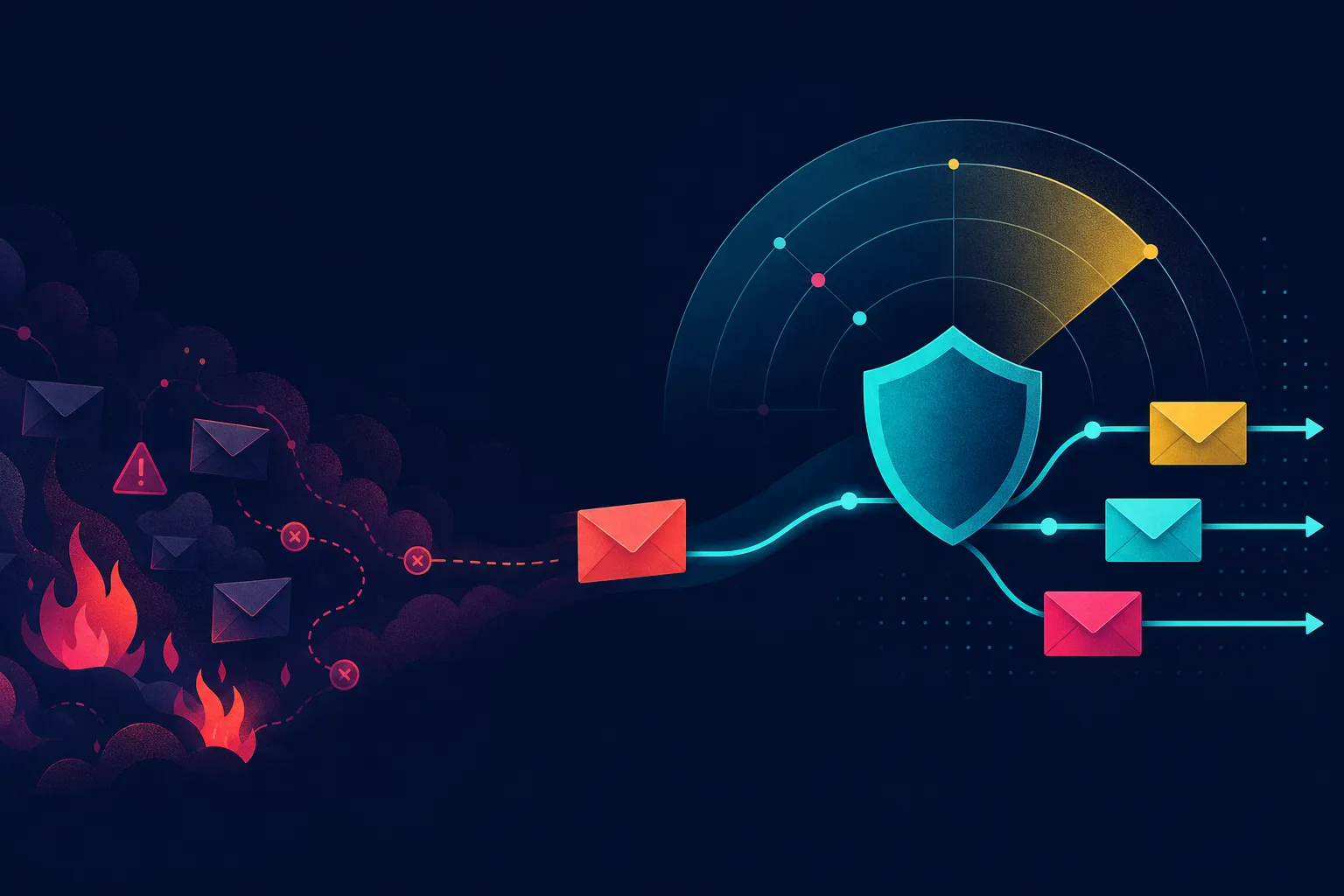
Most email teams treat deliverability like a fire alarm. They wait for the smoke, then scramble. That model is long gone. We have spent years in reactive mode: launch a campaign, watch opens drop, discover emails hit spam, start troubleshooting. By then, the damage is done. It is expensive, exhausting, and entirely avoidable.
There is a better way. Borrow from cybersecurity: move from reactive diagnostics to preemptive prevention. Instead of asking why a campaign failed after it fails, ask what could make it fail before you send. That shifts everything.
Assess Your Infrastructure First
Before you even draft your email, you need to know that your sending infrastructure is healthy. This means checking:
- SPF (Sender Policy Framework): Ensures only authorized servers can send email from your domain.
- DKIM (DomainKeys Identified Mail): Adds a digital signature to your emails to verify they haven't been tampered with.
- DMARC (Domain-based Message Authentication, Reporting & Conformance): Tells receiving servers how to handle emails that fail SPF or DKIM checks.
- Domain reputation: The overall trustworthiness of your sending domain, built over time by sending behavior.
- IP history: The past sending patterns and reputation of the IP address you are using.
- Current blocklist status: Whether your domain or IP is listed on any major blocklists.
Without these checks, you are sending blind. A single misconfiguration can land your emails in spam, even if your content is perfect.
Audit Content for Spam Triggers
Once your infrastructure is solid, turn your attention to the email content itself. Common spam triggers include:
- Excessive use of salesy language (e.g., "free," "guaranteed," "act now").
- Too many links, especially to suspicious or new domains.
- Poor personalization (e.g., generic greetings like "Dear Sir/Madam").
- Large images with little text.
- Misleading subject lines.
Weak personalization is a particular red flag for modern spam filters. If your email looks like it was sent to a thousand people with no effort to tailor it, it is more likely to be flagged.
Score the Combined Risk
After auditing both infrastructure and content, score the combined risk. This is not a formal industry standard, but a practical exercise. Assign a risk level (low, medium, high) to each factor and look for patterns. For example:
- If your SPF record is misconfigured AND your email contains multiple spam trigger words, your risk is high.
- If your DMARC policy is set to "none" (monitoring only) AND your domain is new, your risk is medium.
Fix the critical issues first. A misconfigured SPF record is more urgent than a slightly salesy subject line, but both matter.
Shift Your Metrics
Most teams measure open rates and click rates. Preemptive teams measure risk reduction and infrastructure health. The goal is simple: fewer surprises, fewer emergency fixes.
Instead of asking "How many people opened this campaign?" ask "How many risks did we mitigate before sending?" Track your infrastructure health score over time. If your DMARC policy is still at "none" after six months, that is a red flag.
Practical Steps to Get Started
- Run a deliverability audit: Use tools to check your SPF, DKIM, DMARC, blocklist status, and domain reputation. Many free and paid tools exist for this.
- Review your email content: Look for common spam triggers. Use a spam checker tool if available.
- Create a pre-send checklist: Include infrastructure checks, content review, and risk scoring. Make it a mandatory step before every campaign.
- Monitor continuously: Deliverability is not a one-time fix. Re-check your infrastructure monthly and after any changes to your sending setup.
- Educate your team: Everyone involved in email campaigns should understand the basics of deliverability and the preemptive approach.
Conclusion
Deliverability does not start when you hit Send. It starts earlier, with reducing risk before it ever becomes an inbox problem. Are you still waiting for the fire, or are you building the sprinkler system?
By shifting from reactive diagnostics to preemptive prevention, you can save time, money, and reputation. The tools and knowledge are available. The only question is whether you will act before the next campaign fails.