Mailheight
The New Threat: Link-Swapping Attacks
A clean customer does not mean a clean campaign. That's the uncomfortable truth hitting email service providers (ESPs) right now. You onboard a legitimate business. Their domain checks out. Their URLs pass inspection. So you assign them a trusted IP and let them send. But hours later, the destination of a link in their email changes quietly, without any alert. This is a link-swapping attack, and it's how fraudsters have been slipping past traditional filters.
As highlighted in the original LinkedIn post, a link that initially points to a trusted domain like trustedbrand.com/landing can later redirect to a malicious site like bad-content.site/phish. The email was clean at delivery. The malicious page didn't exist when your security scanner looked. This post-delivery pivot is what makes link-swapping so dangerous.
How Link-Swapping Works
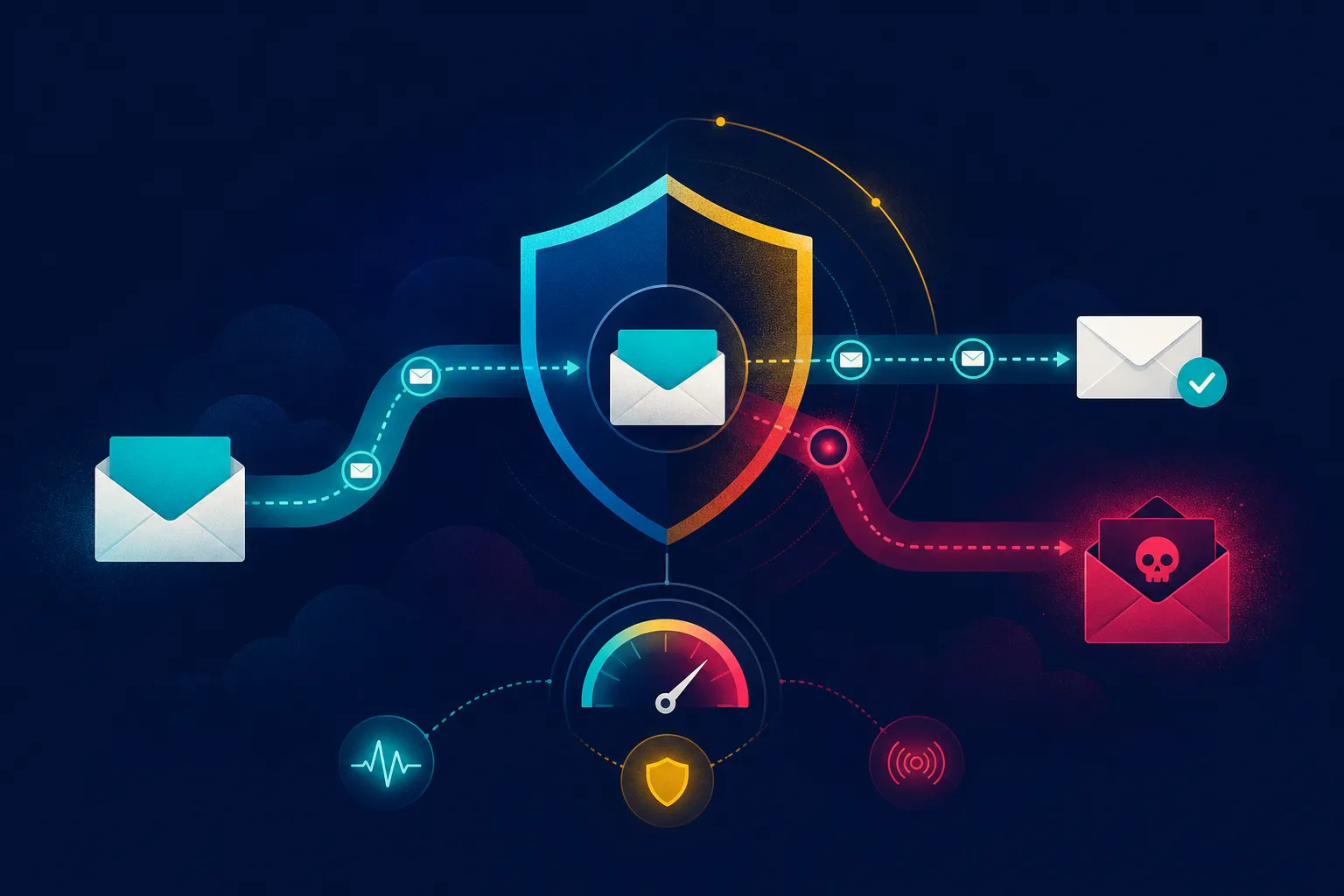
In a typical link-swapping attack, the sender includes a URL that passes all pre-delivery checks. The destination is legitimate, and no security scanner flags it. After the email is delivered and sits in the recipient's inbox, the attacker changes the destination of that URL. The link now points to a phishing page or malware download. Because the email itself hasn't changed, traditional filters that only inspect at the time of sending never catch the switch.
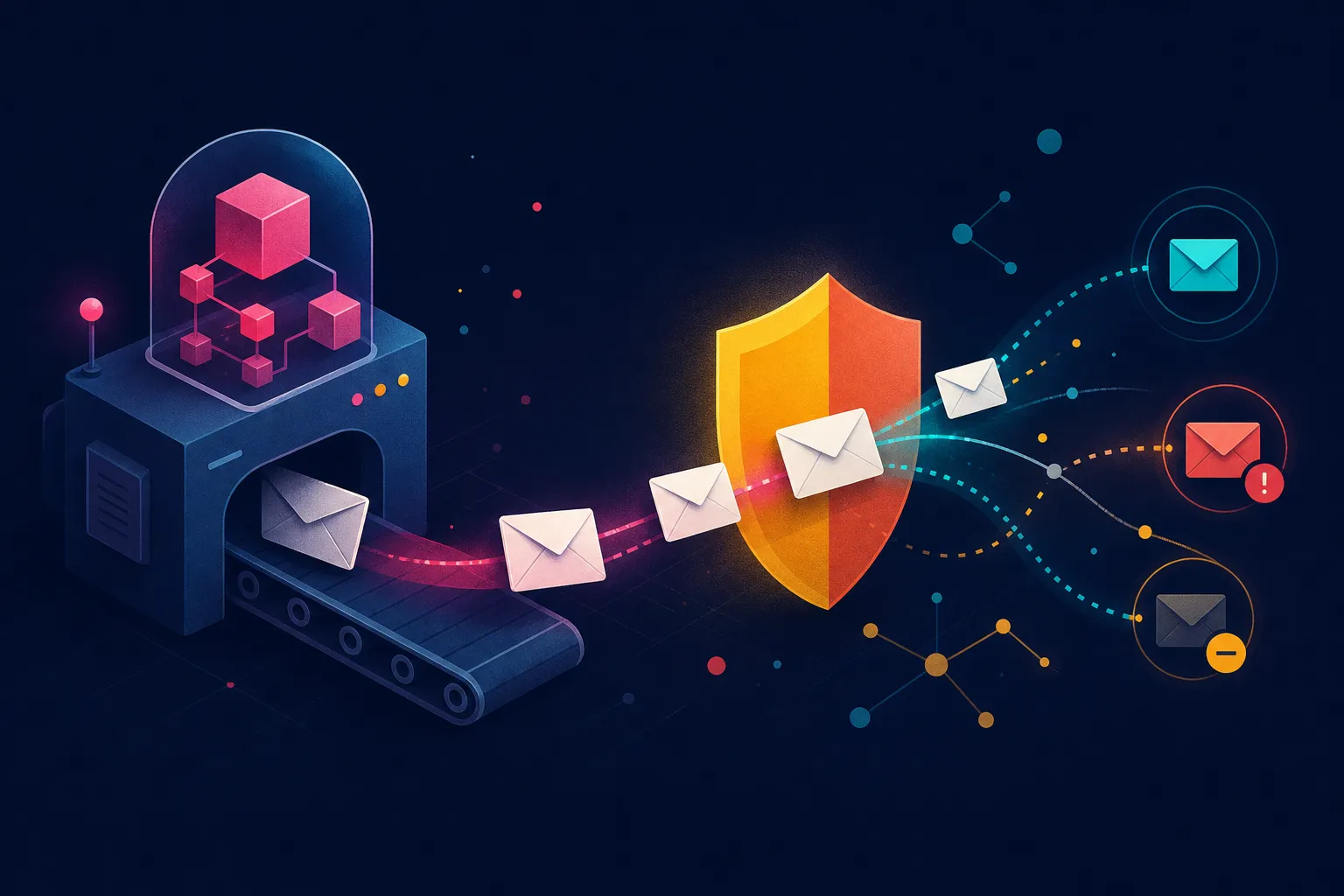
Security vendors like Microsoft Defender and Barracuda have adapted to this threat. They don't stop at delivery-time inspection anymore. They revisit emails after delivery, re-evaluating where the links actually point. If a once-safe link goes bad, the email can be pulled from the recipient's inbox and the sending IP flagged. For ESPs, the old question was "Was this email safe when sent?" The new question is "Will it still be safe 6, 12, or 24 hours later?"
Why This Matters for Deliverability
For agencies and marketers running cold email campaigns, link-swapping poses a direct threat to sender reputation. If your email is used as a vector for post-delivery phishing, your sending IP can be blacklisted. Even if you had no malicious intent, the damage to your deliverability can be severe. ESPs and mailbox providers are increasingly adopting continuous link monitoring, and they will penalize senders whose emails become unsafe after delivery.
This means that simply checking your links at send time is no longer sufficient. You need to ensure that all URLs in your campaigns remain safe over time. If you use link shorteners or redirects, you are especially vulnerable because the final destination can be changed without altering the link in the email.
Best Practices to Protect Your Campaigns
Avoid dynamic redirects in your links. Use direct URLs to final destinations whenever possible. If you must use a redirect, ensure the redirect chain is static and cannot be altered after delivery.
Monitor your links continuously. Use tools that periodically check the destinations of all links in your sent emails. If a link changes to a suspicious site, you need to know immediately so you can take action.
Work with ESPs that offer post-delivery scanning. Some email security platforms now provide continuous link monitoring as a feature. Choose an ESP that re-evaluates links after delivery and can retroactively remove or flag emails that become malicious.
Educate your clients about link security. If you send emails on behalf of clients, make sure they understand the risks of link-swapping. Encourage them to use static URLs and avoid third-party redirect services that could be compromised.
Implement DMARC and other authentication protocols. While DMARC won't prevent link-swapping, it helps protect your domain from being spoofed. Strong authentication makes it harder for attackers to abuse your sending reputation.
The Bottom Line
Continuous link monitoring is no longer optional. As link-swapping attacks become more common, both ESPs and senders must adapt. The security landscape has shifted from a single point of inspection to an ongoing process. If you are not monitoring your links after delivery, you are leaving your reputation and your deliverability at risk.
For cold outreach agencies, this means building trust with mailbox providers by demonstrating that your emails remain safe over time. The days of "set it and forget it" are over. Embrace continuous monitoring, and you'll protect your campaigns from the hidden threat of link-swapping.